
Exploring the cultural significance of casinos in modern society
The Historical Context of Casinos
Casinos have evolved significantly over the centuries, transitioning from simple gambling houses in ancient civilizations to luxurious entertainment complexes found in modern cities worldwide. Historical records show that gambling has been a part of human society for thousands of years, with evidence of dice games and betting activities in cultures from China to Rome. This longstanding tradition highlights how deeply ingrained the concept of gambling is in human interaction and societal rituals. Today, many are curious to explore platforms like Casino N1 review, which showcase the evolution of gaming experiences.
In many cultures, casinos served not only as venues for gaming but also as social hubs where individuals gathered for entertainment and camaraderie. For example, in the 18th century, European gambling houses became synonymous with high society, attracting aristocrats and the wealthy elite. This historical importance underscores the cultural significance of casinos as places where social status and fortune could be both displayed and challenged.
Today, the cultural legacy of casinos is still reflected in modern gaming establishments, which often incorporate themes and aesthetics that pay homage to their historical roots. For instance, many casinos embrace opulent designs reminiscent of European palaces, fostering an atmosphere of luxury and exclusivity. This connection to history not only enriches the gambling experience but also contributes to the ongoing narrative of how society perceives luck, fortune, and risk-taking.
The Role of Casinos in Modern Entertainment
In contemporary society, casinos have transformed into multifaceted entertainment venues that offer a wide array of experiences beyond gambling. Many modern casinos feature world-class restaurants, live performances, and other leisure activities, making them popular destinations for individuals and families alike. This shift reflects a growing trend where gaming is just one aspect of a broader entertainment experience, catering to diverse audiences with varying interests.
The integration of technology into casinos further enhances their appeal, with advancements such as virtual reality gaming and online betting platforms providing unprecedented access to gaming experiences. This evolution highlights the adaptability of casinos in meeting the changing demands of society, especially with younger generations who seek innovative and engaging entertainment options. Consequently, casinos have become significant cultural landmarks, often associated with leisure, excitement, and social interaction.
Moreover, the rise of online casinos has dramatically expanded the reach of gaming culture, breaking geographical barriers and making gambling accessible to a wider audience. This accessibility has democratized the gambling experience, allowing individuals from different backgrounds to participate and enjoy the thrill of gaming. As a result, casinos are now integral to the broader entertainment landscape, reflecting and influencing cultural norms and behaviors in modern society.
Myths and Misconceptions About Casinos
Despite their popularity, casinos often face numerous myths and misconceptions that shape public perception. One prevalent myth is that casinos are solely places for vice, where individuals lose their money and ruin their lives. While it is true that gambling can lead to negative consequences for some, many individuals engage in gaming responsibly as a form of entertainment and social interaction. This misconception overlooks the broader social and economic contributions that casinos make to local communities, including job creation and tourism revenue.
Another common belief is that casinos manipulate games to ensure players lose more often than they win. In reality, reputable casinos operate under strict regulations and employ random number generators to ensure fair play. The thrill of chance is an integral part of the gaming experience, and while the odds may favor the house, the allure of winning is what attracts many individuals. Debunking these myths is essential to fostering a more balanced understanding of the role casinos play in modern culture.
Furthermore, there is a misconception that casinos only cater to gamblers. In truth, many casinos strive to create inclusive environments that appeal to various demographics, including families and non-gamblers. By offering a range of entertainment options, such as concerts, dining experiences, and luxury accommodations, casinos aim to redefine their image as comprehensive leisure destinations rather than merely gambling establishments. This shift reflects an understanding of the diverse needs and interests of modern society.
Casinos and Social Interaction
Casinos play a vital role in promoting social interaction, serving as gathering places where people from different walks of life come together. The atmosphere of excitement and anticipation creates a unique social experience, encouraging camaraderie among patrons. Whether it’s sharing a table at a poker game or enjoying a live show, these environments foster connections and friendships that can transcend social barriers.
The communal nature of casino gaming also enhances the overall experience, as players often cheer each other on and share in the highs and lows of the game. This sense of shared experience can lead to lasting memories and relationships, as individuals bond over their love for gaming and entertainment. As such, casinos are more than just venues for gambling; they are vibrant social spaces that nurture human connections.
Moreover, many casinos host events and tournaments, further enriching the social fabric of their environments. These gatherings allow individuals to interact in competitive yet friendly settings, creating a sense of community among participants. The dynamic interplay of competition and collaboration contributes to a lively atmosphere, making casinos a focal point for social gatherings and celebrations. This cultural significance extends beyond gaming, as casinos often serve as venues for weddings, parties, and corporate events.
Conclusion: The Modern Casino Experience
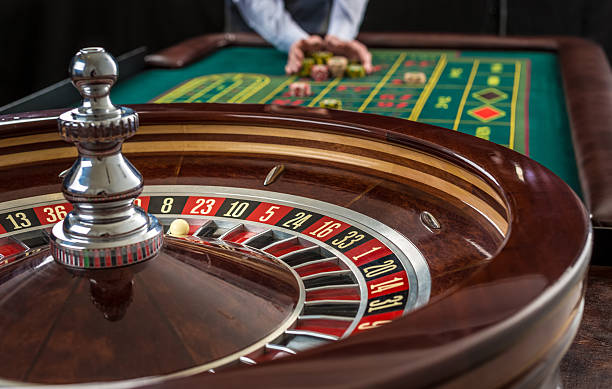
Casinos have transformed into essential elements of modern entertainment, offering more than just gambling but a complete experience that includes dining, live entertainment, and social interaction. Their cultural significance is evident in the way they bring people together, reflect historical traditions, and adapt to contemporary lifestyles. The evolution of casinos mirrors broader societal changes, demonstrating their resilience and ability to captivate diverse audiences.
As digital advancements continue to shape the landscape of entertainment, casinos are expected to evolve further, embracing technology to enhance the player experience. Online platforms and innovations in gaming technology will likely redefine how individuals engage with casinos, expanding their reach and influence. This ongoing transformation will ensure that casinos remain culturally relevant and impactful within society.
As platforms like N1 Casino emerge, they bring the essence of the traditional casino experience to the online realm. With a commitment to user satisfaction and a wide variety of gaming options, these platforms reflect the modern consumer’s desire for convenience and entertainment. Ultimately, the cultural significance of casinos in contemporary society lies in their ability to adapt, evolve, and continue fostering social interactions in an ever-changing world.